
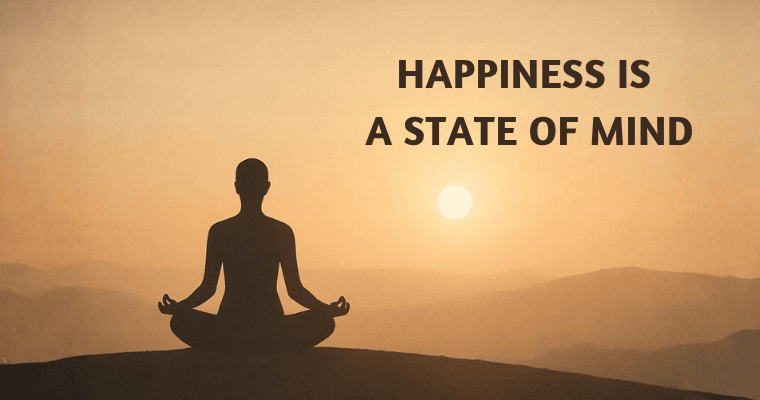
For most people, happiness is an unreachable high—they feel it is always somewhere along the way of success, getting rich, having good relationships, or even achieving personal goals. But the truth is that happiness is a feeling coming from within, a mental state, not an ultimate long-seeking aim.
Once you realize that the deeper relationship between Mind vs Soul, you start to perceive that happiness is a feeling that you create within, not a feeling that you find outside. Just this one alteration can result in a complete transformation of your daily life, mental process, and feelings.
Table of Contents
ToggleWhat Does it Mean When We Say “Happiness is a State of Mind”?
To put it differently, when referring to happiness as a state of mind, it indicates that the person’s joy is independent of the outside environment. It is, however, controlled by the individual’s thought quality, the person’s awareness level, and the narration one gives to himself/herself.
A person may have a lot of everything and still be dead inside, or the other way around, and a person who has nothing can still feel a very deep and genuine sense of contentment.
Why? – The reason is your inner dialogue determines your emotional reality.
People who understand happiness as a mental state practice:
- Emotion management
- Meditation practice
- Mindfulness exercises
- Purpose-driven thinking
- Soul-connected living
This is the case where the same daily practices such as meditation, mindfulness, and self-reflection are followed by people of different ages, backgrounds, and lifestyles and they all report nearly the same effects.
The Psychology Behind Happiness as a Mental State
Psychological research shows that only 10% of our long-term happiness is influenced by external factors. The remaining 90% comes from:
- Your mindset
- Your habits
- Your emotional interpretation of events
- Your belief system
- Your ability to stay present
When people of all types and ages begin to practice daily meditation, mindfulness, and self-reflection, they all claim similar changes in their lives.
Your happiness becomes stronger when you shift into:
- Mindsets for Happiness
- Mindsets for Success
- Mindsets grounded in gratitude and self-awareness
To put it more simply, the minute your mental environment goes through a change, your emotional environment gets a thousand-fold better instantly.
How Mindset Influences Your Emotional Well-Being
Your worldview is created by the mindset you have.
For example:
- If you have a negative filter, everything feels heavy.
- If your filter is positive and growth-oriented, challenges feel manageable.
- If you have a spiritually aware mindset, life feels meaningful.
When you treat Happiness is a State of Mind as a daily inner practice, you gain emotional freedom.
You begin to:
- Respond instead of react
- Accept instead of resisting
- Grow instead of collapse
- Observe instead of judging
This change in your emotional health is from a fragile state to a stable one.
Daily Practices to Cultivate Happiness from Within
Nothing but true happiness can be achieved day by day through simple but very powerful habits.
One can say these are the practices that bring forth the hidden contentment within us:
- Morning Mindfulness Sessions: Start your day with 5 to 10 minutes of breathing or awareness meditation.
- Journaling Thoughts + Gratitude: Begin by listing your fears then write down what you appreciate in life.
- Physical Activity: A simple and short walk or yoga session is enough to make you feel good instantly.
- Digital & Emotional Detox: Unfollow the noise, overthinking and draining habits.
- Reading of an Amazing Spiritual Book: The wisdom of the spirit enlarges your receptivity to happiness, life’s meaning and inner peace.
- Going to Mindfulness Retreats: Mindfulness Retreats give you the opportunity to be away from the daily chaos and get back in touch with your inner self.
The sum of these small habits is the grand effect of a healthier and happier mind.
Happiness is made strong by Spiritual Awareness
One gets more deeply happy as he/she gets spiritually aware—not necessarily in a religious manner but in a conscious way.
Spiritual Awareness illuminates the mind by teaching the following:
- Witness your thoughts
- Understand your energy
- Connect with your inner self
- Recognize the difference between Mind vs Soul
- Release ego-based fears
- Peace in the present moment is found
Once you are spiritually awakened, happiness is your natural state and no longer an emotion for you.
The Role of Gratitude, Mindfulness, and Presence
The three of them are main characteristics of Happiness is a State of Mind:
1. Gratitude
Gratitude changes your brain wiring, and the role of gratitude is to train your mind to be on the watch for abundance instead of lack. It not only increases life satisfaction but also emotional stability.
2. Mindfulness
Mindfulness banishes the worries of the future and the regrets of the past. It brings awareness, clarity, and calmness.
3. Presence
The very situation of living in the present moment silences the mind and opens the heart. You can relish life as it unfolds by being present.
The combination of these habits leads to improved emotional health, greater inner strength, and a spiritually fulfilled life.
How to Stay Grounded When Life Gets Hard
Challenges will always be part of life, but your attitude will be the one that decides whether you will suffer or grow.
To stay grounded:
- Take deep breaths before reacting
- Notice your emotions without judgment
- Shift your perspective to gratitude
- Connect with your inner wisdom through silence
- Practice mindful acceptance
- Surround yourself with positive energy
In difficult times, focus on the inner work. Because inner work creates outer strength.
FAQs
1. How is it that happiness is a state of mind?
The statement means that true happiness is a product of your feelings, thoughts, attitudes, and self-awareness—not of external attainments or possessions.
2. Is it that mindset can actually have an impact on long-term happiness?
For sure. Studies reveal that approximately 90% of long-term happiness is a result of mindset, lifestyle, and emotional interpretation.
3. What is the way to happiness that comes from one’s own heart?
Embrace daily practices such as mindfulness, gratitude, writing a journal, meditation, and limiting your mental or digital clutter starting from the small ones.
4. Why do the success and the material possessions not guarantee the joy?
Because the feelings are influenced by the inner discourse. An unsteady mind can feel unhappy even if it is surrounded by success or comfort.
5. How does mindfulness contribute to a person’s happiness?
Mindfulness eliminates excessive thinking, clarifies the view and keeps you at the point in time where peace and joy naturally inhabit.
Conclusion
Accepting the reality that Happiness is a State of Mind will enable you to stop looking for happiness externally and instead, start producing it internally. Besides, with the help of mindfulness, gratitude, spiritual awareness, and daily mindset practices, you will forge emotional resilience, soul clarity, and authentic inner satisfaction.
Happiness is not something you run after; instead, it is something you select every day.